
Introduction
Acne is a common skin condition that affects teenagers and adults alike. It can appear as blackheads, whiteheads, inflamed pimples, or deeper, painful bumps. For some people, acne persists into adulthood, while others experience breakouts for the first time later in life.
Although acne is common, it can affect confidence and sometimes lead to lasting scars or dark marks. Understanding your skin, choosing suitable products, and seeking professional advice when needed can help you manage breakouts more effectively.
In this guide, we explore common causes of acne, everyday skin-care habits, available treatment options, and when to seek professional dermatology care.
What Causes Adult Acne?
Acne develops when hair follicles become clogged with oil and dead skin cells. Inflammation and the activity of acne-associated bacteria can contribute to breakouts.
Several factors may influence acne, including:
- Hormonal changes: Hormonal fluctuations can increase oil production and contribute to breakouts.
- Excess oil production: Extra oil can combine with dead skin cells and block pores.
- Skin-care products: Certain cosmetics, moisturisers, and hair-care products may contribute to clogged pores.
- Genetics: A family history of acne may increase your likelihood of developing it.
- Stress: Stress can aggravate acne in some people.
- Irritating skin-care habits: Harsh cleansers, frequent exfoliation, and aggressive scrubbing can irritate the skin.
Acne is not a sign of poor hygiene. Washing your face excessively or scrubbing harder will not necessarily improve it and may make irritation worse.
5 Practical Tips for Managing Acne
1. Cleanse Your Skin Gently
Wash your face with a gentle cleanser, generally up to twice daily and after heavy sweating. Use your fingertips rather than abrasive brushes or rough cloths.
Avoid harsh products that leave your skin feeling tight, dry, or irritated.
2. Choose Products Suitable for Acne-Prone Skin
Look for moisturisers, sunscreens, and cosmetics labelled non-comedogenic or won't clog pores. These products are designed to be less likely to contribute to blocked pores.
Remember that every person's skin is different. A product that works for one person may irritate another.
3. Avoid Picking or Squeezing Pimples
Picking at blemishes can worsen inflammation and increase the risk of scarring and persistent dark marks.
Instead, use appropriate skin-care products and seek professional guidance if your acne is painful, persistent, or difficult to manage.
4. Protect Your Skin From the Sun
Sun protection is an important part of a healthy skin-care routine. Choose a broad-spectrum, water-resistant sunscreen with SPF 30 or higher when outdoors, and reapply according to the product instructions.
Sun exposure can worsen the appearance of some dark marks left after acne, while certain acne treatments can increase sensitivity to sunlight.
5. Be Patient With Your Routine
Acne treatments rarely produce lasting results overnight. Some treatments need several weeks to show improvement, and continued use as directed is often necessary.
Avoid introducing multiple strong products at once, as this can irritate your skin and make it harder to identify what works.
What Treatments Are Available for Acne?
The right treatment depends on the type, severity, and cause of your acne.
Depending on your individual needs, treatment options may include:
- Topical treatments: Products containing ingredients such as benzoyl peroxide, salicylic acid, or retinoids may help manage certain types of acne.
- Prescription medication: A clinician may recommend prescription treatments when over-the-counter products are insufficient.
- Treatment for acne marks and scars: Different approaches may be appropriate depending on whether the concern is pigmentation, raised scars, or depressed scars.
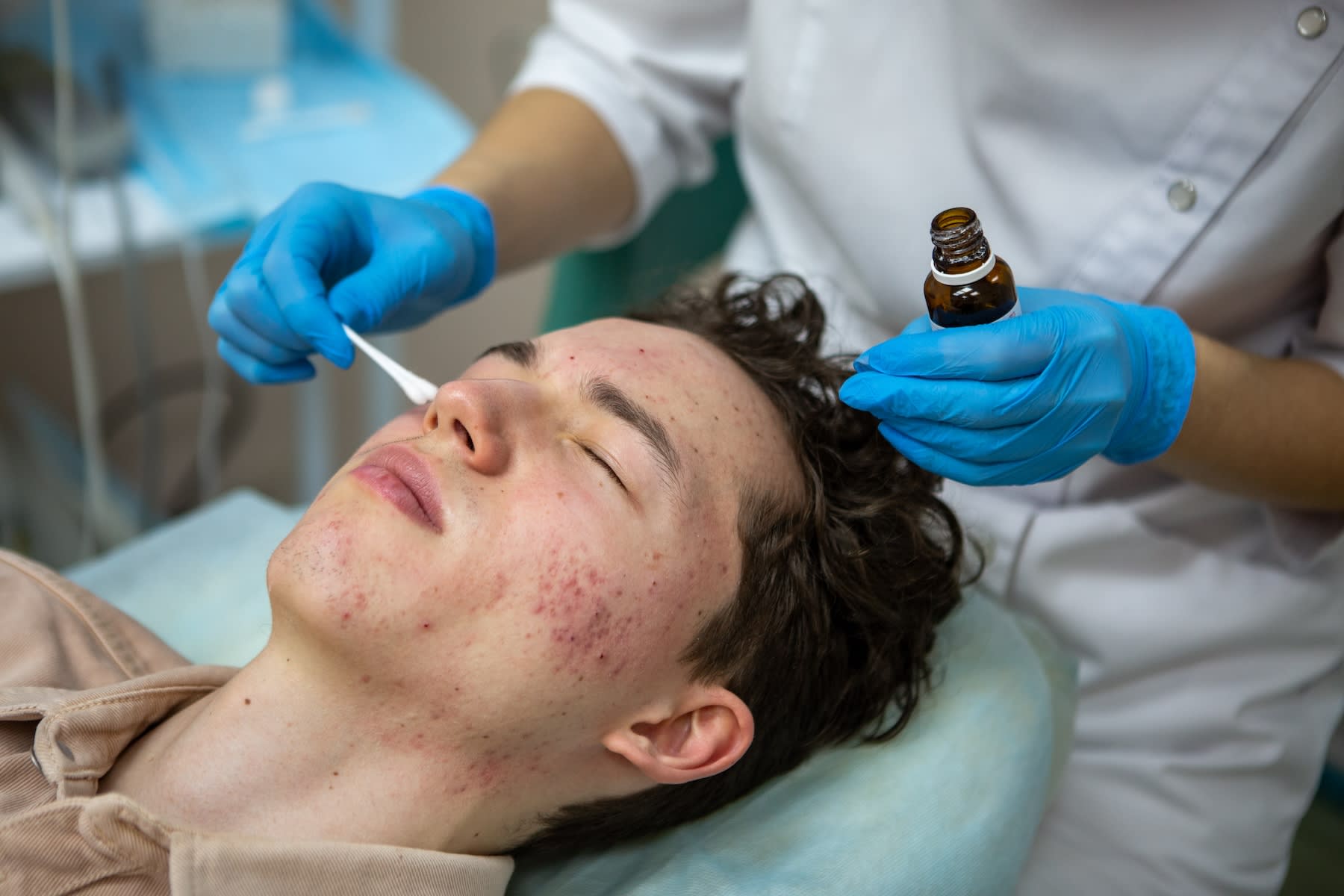
- Personalised skin-care guidance: A dermatology professional can help identify irritating products and develop a routine suited to your skin.
Not every treatment is suitable for everyone. Some medications have important precautions, including during pregnancy, so seek advice from an appropriately qualified healthcare professional before starting treatment.
When Should You See a Dermatology Professional?
Consider arranging an assessment if:
- Your acne is deep, painful, or widespread.
- Breakouts leave scars or persistent dark marks.
- Your skin is becoming increasingly inflamed or irritated.
- Non-prescription treatments have not helped after consistent use.
- You are unsure whether your skin condition is actually acne.
A professional assessment can help distinguish acne from other conditions that may look similar and guide you towards suitable treatment.
Frequently Asked Questions
Can adults develop acne?
Yes. Acne can continue from adolescence into adulthood or begin later in life. Hormonal changes, genetics, products, and other factors can contribute.
Does drinking more water clear acne?
Staying hydrated supports general health, but drinking extra water alone is not an established treatment for acne. Effective management usually involves suitable skin care and, when needed, medical treatment.
Should I moisturise if I have oily skin?
Yes. Oily skin can still become dehydrated or irritated. A lightweight, non-comedogenic moisturiser may help maintain the skin barrier without unnecessarily contributing to clogged pores.
How long does acne treatment take to work?
Some treatments begin to show improvement after several weeks. Many people need around six to eight weeks to assess early improvement, while more complete results can take several months. The timeframe depends on the treatment and the severity of the acne.
Take the Next Step Towards Healthier Skin
Managing acne begins with understanding your skin and choosing the right approach. Gentle cleansing, suitable skin-care products, sun protection, and patience can all play a role. When breakouts persist or cause scarring, professional advice can help you explore appropriate treatment options.
Book a dermatology consultation with Advance Smiles Medihub to discuss your skin concerns and find out whether a personalised assessment may be right for you.
Medical disclaimer: This article is for general educational purposes only and does not replace an individual medical assessment, diagnosis, or treatment recommendation.